
 Call Us Now
 E-Mail Us Now
Seattle Car Accident Statistics
Seattle’s crash data reveals a difficult truth. While car accidents in Seattle have dropped significantly over the past decade, fatalities have moved in the opposite direction.
According to the Washington State Department of Transportation (WSDOT) and the Washington Traffic Safety Commission (WTSC), the city saw about 7,312 crashes in 2024, down from roughly 14,483 in 2015. However, traffic deaths have increased by nearly 90%, raising questions that simple accident statistics cannot answer.
This gap between fewer crashes and more fatal outcomes is at the heart of Seattle’s road safety problem. While total collisions are down, the crashes that do happen are becoming more severe, pointing to shifts in speed, behavior, and overall risk.
Seattle Car Accident Statistics at a Glance
Here’s a quick snapshot of the most recent Seattle crash data based on publicly available state and city sources:
| Metric | Figure |
|---|---|
| Total reported crashes (2024) | ~7,312 |
| Total reported crashes (2023) | ~8,453 |
| Total reported crashes (2025, preliminary) | ~6,459 |
| Fatal crashes in Seattle (2024) | 38 |
| Fatality increase (2015–2024) | +90% |
Sources: WSDOT Collision Data Portal | WTSC Fatalities Dashboard | SDOT Vision Zero Annual Report. 2025 figures are preliminary full-year data.
Are Car Accidents in Seattle Increasing or Decreasing?
The answer depends on which numbers you look at.
On one hand, total crashes have declined sharply. Seattle reported 14,483 crashes in 2015 compared to about 7,312 in 2024—a drop of roughly 50%.
Traffic patterns during the COVID-19 pandemic played a major role in this decline. Fewer drivers were on the road in 2020, which led to fewer collisions. While crash totals rose again between 2021 and 2023, they have since started trending downward again.
But fatal crashes tell a different story. In 2015, Seattle recorded 22 traffic deaths. By 2024, that number had climbed to 38. Statewide trends reinforce this shift.
Washington saw 810 traffic deaths in 2023—the highest total in more than 30 years—before dropping to 731 in 2024, which is still well above pre-pandemic levels.
So what changed? Experts point to a combination of factors:
- Higher driving speeds on less congested roads
- Increased impaired driving, including alcohol and drug combinations
- More distracted driving behaviors
- Larger vehicles contributing to more severe impacts
There are early signs of improvement. Preliminary 2025 data shows Seattle recorded around 6,459 crashes—its lowest total since 2019—and a drop in fatalities compared to recent years. Still, safety researchers caution that one year of improvement does not guarantee a long-term trend.
The Four Behaviors Behind Most Fatal Crashes in Seattle
When you look closely at car accident statistics in Seattle, clear patterns start to emerge. The WTSC organizes Washington’s traffic fatality data around what it calls the “fatal four” — the four behaviors that are responsible for the majority of deadly collisions.
Impaired Driving
Drug or alcohol impairment plays a role in about half of all fatal crashes in Washington. Today, the most common issue is poly-drug impairment, where alcohol and cannabis are used together.
In Seattle alone, 2022 data recorded 579 alcohol-involved crashes, including 6 fatalities and 29 serious injuries.
Speeding
Speed is a factor in roughly one-third of traffic deaths statewide. Roads like Aurora Avenue North and Rainier Avenue South are especially vulnerable due to their design, which allows for higher speeds. In many fatal crashes involving speed, impairment is also present, making outcomes even more severe.
Distracted Driving
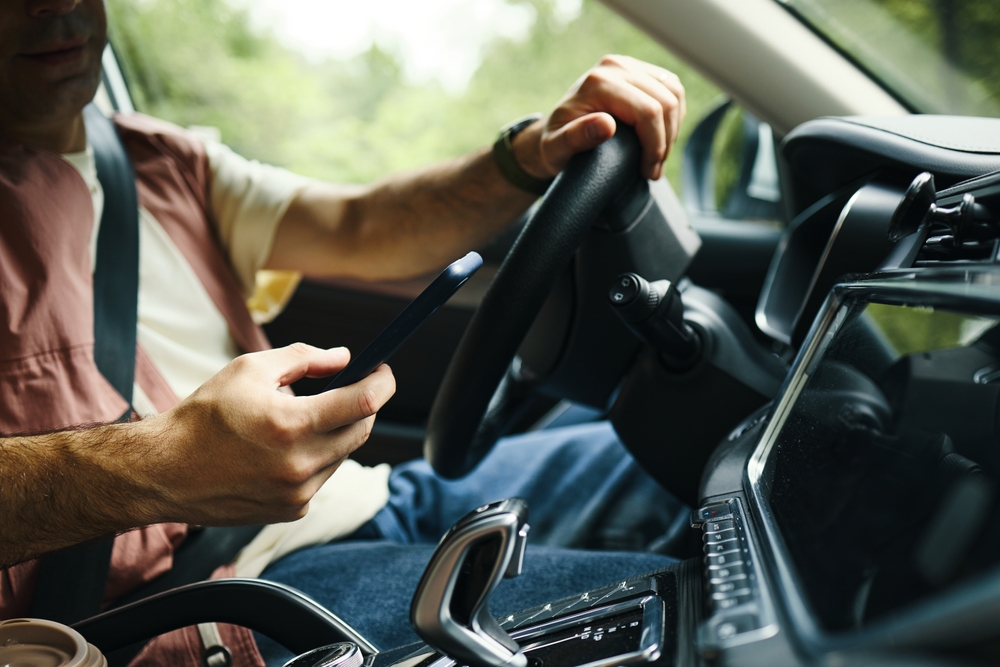
Distraction contributes to around 20–23% of fatal crashes and plays a role in roughly 32% of pedestrian deaths specifically. In Seattle, 2022 data showed 1,431 distracted driving crashes, 52 of which involved a handheld device.
Failure to Wear a Seatbelt
Seatbelt use remains one of the most effective ways to prevent fatal injuries. Yet roughly 20% of traffic deaths involve individuals who were not wearing a seatbelt at the time of the crash.
Seattle’s Most Dangerous Roads and Corridors
Certain roads in Seattle consistently see higher crash rates and more severe outcomes. These corridors combine heavy traffic, higher speeds, and complex intersections.
- Aurora Avenue North (SR-99)
One of Seattle’s most dangerous corridors, Aurora Avenue regularly sees fatal crashes, particularly involving pedestrians. High speeds and frequent crossings make this area especially risky. - Rainier Avenue South
Known for both heavy traffic and high speeds, Rainier Avenue has been the focus of multiple safety improvement efforts due to its history of serious collisions. - Interstate 5 (I-5)
As Seattle’s primary freeway, I-5 experiences a high volume of crashes. While many are minor, the speed of travel increases the risk of serious injury. - Martin Luther King Jr. Way South
This corridor combines vehicle traffic with light rail crossings, creating complex conditions that contribute to crash risks. - Spokane Street / West Seattle Bridge Access
This key connection sees heavy commuter traffic, which increases congestion-related crashes and high-speed incidents during off-peak hours. - Lake City Way
A major arterial with a history of serious collisions, particularly due to speeding and limited pedestrian infrastructure in some areas.
What Seattle Is Doing About Traffic Safety (Vision Zero)
Seattle’s Vision Zero program aims to eliminate all traffic deaths and serious injuries by 2030. While that goal is ambitious, the city has taken several concrete steps to improve safety:
- Installed over 675 pedestrian head-start signals at most signalized intersections
- Expanded “No Turn on Red” restrictions to more than 200 locations (75% increase)
- Allocated $162 million in the 2024 transportation levy toward safety-focused projects
- Dedicated $30 million specifically to improving safety along Aurora Avenue
- Appointed Seattle’s first Chief Transportation Safety Officer in 2023
These efforts are part of a broader strategy outlined in the SDOT Vision Zero Action Plan, which focuses on reducing speeding, improving infrastructure, and protecting pedestrians.
Early results suggest some progress, particularly in 2024 and preliminary 2025 data. However, it remains unclear if these improvements represent a long-term shift or normal year-to-year variation.
What These Statistics Mean If You’ve Been Injured in a Seattle Car Accident
Behind every statistic is a real person dealing with injury, stress, and uncertainty. The rise in fatalities despite fewer crashes shows that when accidents happen today, they are more likely to be severe. That often means more complex injuries, longer recoveries, and higher financial stakes.
If you’ve been involved in a car accident, it’s important to understand your legal options. Washington follows a comparative negligence rule, which means you may still recover compensation even if you were partially at fault.
At Khan Injury Law, we represent accident victims across Seattle and King County. We offer free consultations and work on a contingency fee basis, so you don’t pay unless we recover compensation for you.
Talk to a Car Accident Lawyer in Seattle
Every number in these statistics represents someone navigating the aftermath of a crash—medical bills, lost income, and difficult decisions about what comes next. You don’t have to handle that process alone.
Khan Injury Law helps injured individuals across Washington understand their rights and take the next step forward. Schedule a free consultation today to discuss your situation and get clear answers about your options.